
For what a team carries
This is about what appears between you.
It runs. And it does not run. On paper everyone agrees, the agenda gets worked through, no one does anything wrong — and still less comes out than goes in.
30 minutes · no obligation · one programme per month
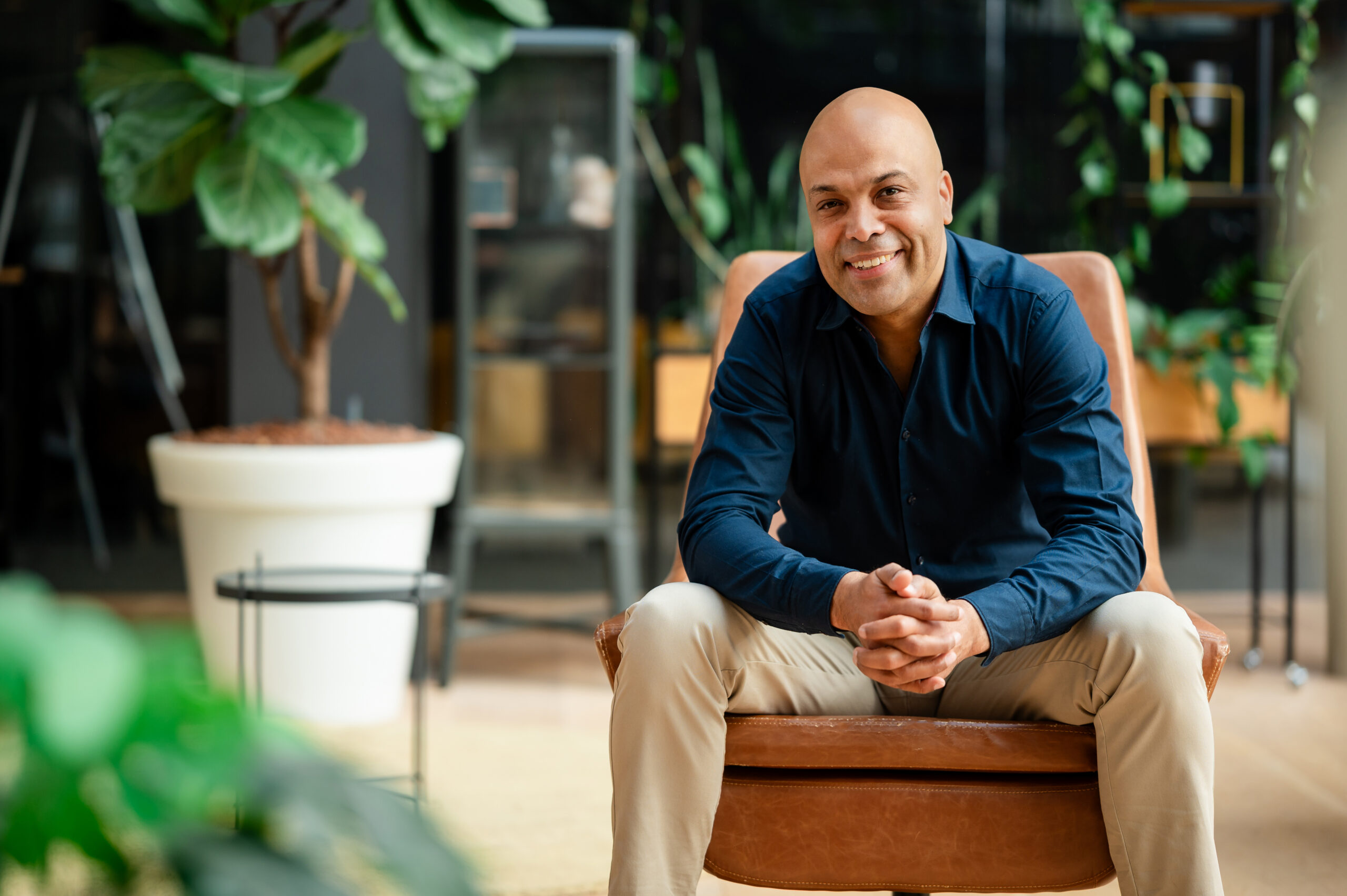
Every team member carries influence, including you.That is why there is attunement.
What you recognise
Four things that are not about the content.
A decision has been made and nothing moves.
Everyone was there, everyone nodded, and three weeks later it is still exactly where it was.
The real conversation happens after the meeting.
In the corridor, in the car, in the group chat that not everyone is in.
There is tension everyone feels and no one names.
Asking about it makes it bigger; not asking does too.
Someone left, joined, or fell away.
And the team never got over it, even though nothing was ever said about it.
What these four share is not on the agenda.
What comes along
A team is more than the sum of who is sitting there.
I
Everyone brings their own history. Experiences, patterns and loyalties that shape how someone walks into this room.
II
Together you form a system with a memory. Who sat here before. What was never finished. Which agreement was never made out loud but still holds.
III
That system determines what is possible for everyone working inside it — including those who just joined and know nothing about it.
That is why every layer plays a part in team dynamics. In the end it is about perceiving, receiving and attuning.
The way of working
Making visible what can only be felt.
A day has no fixed programme. What is needed emerges from the individual conversations beforehand and from what happens in the room once the team is standing together.
In a systemic constellation the team literally takes up position. Team members stand in relation to one another, to a question, to the organisation they are part of. What stays abstract on paper becomes observable: distance, direction, who keeps an eye on whom, where it stalls. Not as symbolism, but as information.
Connection work is what comes next. Once something is visible it can be discussed — and that conversation runs differently from the same conversation at a meeting table.
My role is not that of referee or adviser. I bring no judgement about how you function and I do not arrive with advice about your structure. What I do is direct the attention: slower than usual, wider than only what is being said.
What changes
In the meeting
What went unspoken gets a place. Not as confrontation, but because room appears in which it cán be said. That changes what a meeting is about.
In decision-making
A decision that is made on paper but does not land usually points to something that was never spoken. Once that becomes visible, what a decision is worth changes with it.
In the relations
Roles, positions and loyalties become visible instead of felt. What is visible can be discussed. What is only felt steers unnoticed.
What it is not: a team outing with a game element, or a training in conversation skills. What changes here is not how a team talks, but what there is to talk about.
The condition
What this work asks for.
The whole team is there, including you. Whoever is missing is still present in a constellation — as an absence. And a manager who steers the team but stays away changes the meaning of the day: then a system is being talked about instead of worked in.
Count on being part of it yourself. You are probably here because you want to solve something you see in others. In a constellation it almost always turns out that your position is part of it. That is not an accusation — it is the reason you can change something about it.
The individual conversations are the gateway. Not an introduction beforehand, but the first part of the work: what does not get said in a group often does get said there. If it emerges that the willingness to look is not there, the programme does not begin.
It does not get out of hand. That is the question most clients ask first. Nothing is forced and nothing is resolved that is not at issue. What gets restored is what stood in the way of contact — and what a team cannot carry does not come onto the table.
The programme
Three half-days, and the weeks in between.
The first two half-days usually fall on a single day; the third is a return day, six to eight weeks later. It is preceded by a thirty-minute conversation with each team member.
- Scope
- Three half-days, plus a return day
- Beforehand
- A 30-minute conversation with each team member
- Methods
- Systemic constellations and connection work
- Location
- Your own location or the Utrecht region
from € 7,500 excl. VAT · three half-days at € 2,500
If the exploratory conversation shows that the question mainly sits with you as the manager, individual coaching is the better fit. And sometimes another route makes more sense. Then I will say so.